
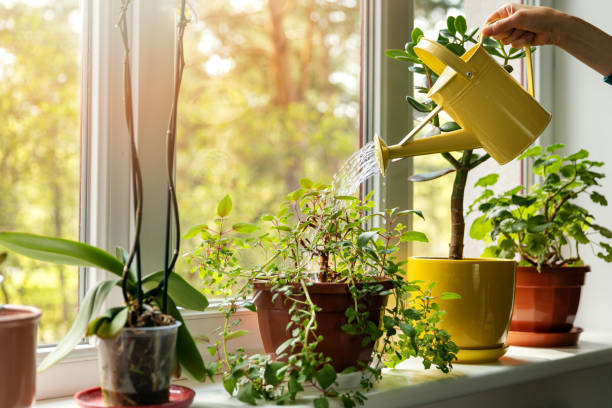
In the age of artificial intelligence, creating specialized GPTs (Generative Pre-trained Transformers) has unlocked possibilities across various domains. One exciting project I recently embarked on was developing a Plant Parent GPT— a virtual plant assistant powered by ChatGPT. This GPT acts as an expert in plant identification, health assessment, and tailored care guidance for houseplants, drawing on national plant databases and the latest research.
The Inspiration Behind Plant Parent GPT
The idea for Plant Parent GPT sprouted from a personal passion for plants. Like many plant lovers, I struggled with identifying plants, diagnosing health issues, and providing the right care instructions. The need for a knowledgeable, easily accessible plant expert led me to combine the power of AI with botanical knowledge to assist fellow plant enthusiasts.
Key Features of Plant Parent GPT
- Plant Identification: The Plant Parent GPT is capable of identifying plant species from textual descriptions or uploaded images. Leveraging national plant databases, it accurately matches users’ plant descriptions to scientific records.
- Health Assessment: Using symptoms such as leaf discoloration, spots, or unusual growth patterns, the GPT can diagnose common plant health issues, including pests, nutrient deficiencies, and improper watering.
- Tailored Care Instructions: Based on the plant’s species, its current health, and environmental factors like light and humidity, the GPT provides customized care tips. Whether it’s watering frequency, soil type, or pruning recommendations, the instructions are as specific as possible.
The Technology Behind It
To bring Plant Parent GPT to life, I built it on OpenAI’s ChatGPT framework, combining several data sources and natural language processing algorithms. Here’s an overview of the components:
- National Plant Databases: I integrated databases like the USDA Plants Database and other regional resources to ensure the system has an extensive plant inventory. This enables the GPT to recognize and provide details about thousands of plant species.
- Recent Research Studies: The GPT also taps into the latest scientific papers on botany and plant care. This ensures that the advice it offers isn’t just practical, but also grounded in the latest research. For example, emerging trends in sustainable plant care and the latest findings on plant health are incorporated into its responses.
- Machine Learning: The GPT was trained using thousands of plant care documents, allowing it to learn the intricacies of plant species and the different issues they may face. By continuously learning from user interactions and new data, Plant Parent GPT evolves and stays updated.
Overcoming Challenges
One of the most significant challenges was ensuring the GPT could differentiate between similar-looking species and correctly identify subtle health symptoms. I resolved this by fine-tuning the model with high-quality data sets and making it responsive to feedback loops—continuously improving its accuracy based on user input.
Another obstacle was tailoring care instructions based on diverse environmental conditions. Plants need different care depending on where they’re grown—indoors or outdoors, tropical or arid climates—and Plant Parent GPT adapts its advice based on these variables.
The Result: A Plant Expert in Your Pocket
Plant Parent GPT has become an invaluable tool for plant lovers of all levels. Whether you’re a beginner trying to keep your first succulent alive or an experienced gardener seeking advice on rare species, this GPT provides expert guidance, making plant care simpler and more enjoyable.
As AI continues to evolve, the possibilities for enhancing tools like Plant Parent GPT are endless. With further advancements, it can become even smarter, enabling users to maintain healthier, thriving plants with just a few clicks.
Here’s the link – https://chatgpt.com/g/g-MoAdquoqI-plant-parent-gpt
PS – you will need ChatGPT Plus Subscription to access the link above
 Aakar Kale
Leave a comment