

Hello! I’m Aakar Kale, and this year, I found myself falling in love with a sport that I never thought would captivate me the way it has — golf. It started as a casual activity, something I picked up to get outdoors more, but soon I realized how much more there is to the game. Golf, to me, has turned into a blend of both physical skill and mental discipline. The beauty of a perfectly hit ball, soaring through the air towards a distant green, is a sensation unlike any other.
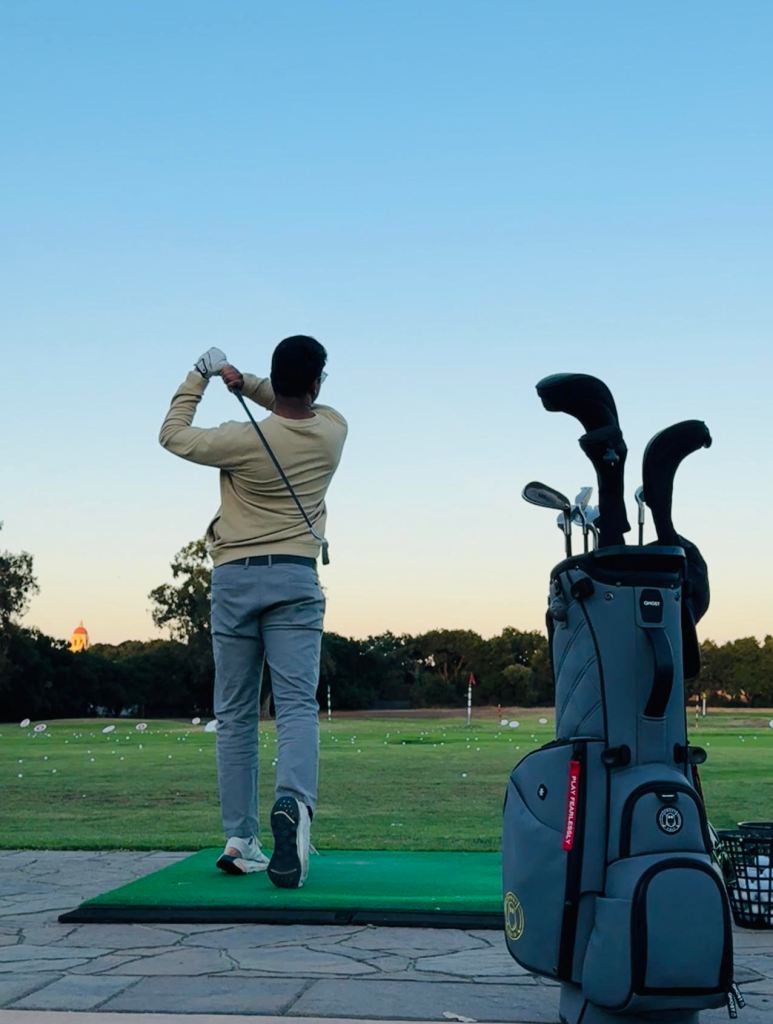
Golf isn’t just about hitting the ball. The sport is a technical marvel, requiring precision and focus on every single shot. Every hole is different, every swing is a fresh challenge, and it’s that combination of simplicity and complexity that hooked me. The mechanics of the swing, the delicate touch required on the greens, and even the mental stamina to handle the bad shots are all part of why golf has become a passion for me.
However, as with any new endeavor, challenges have come my way, the most significant being an injury. I developed what’s known as trigger finger in my small finger, which has put a serious dent in my progress. For those unfamiliar, trigger finger causes stiffness and a painful catching or locking sensation when you try to bend or straighten your finger. Not exactly ideal for holding a golf club!
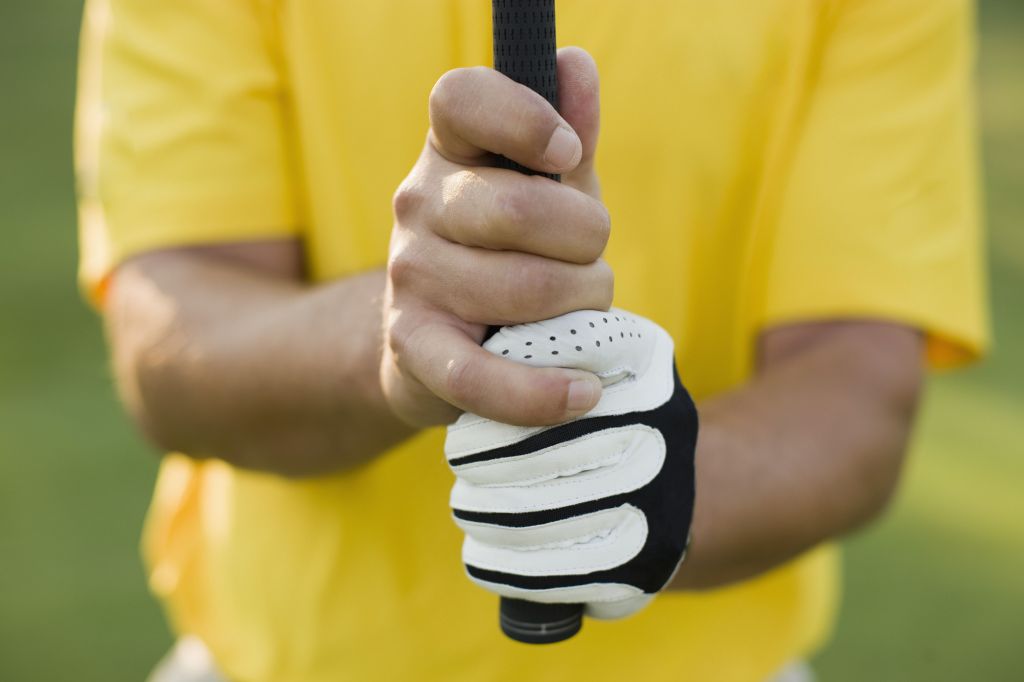
At first, I tried to push through it, thinking the pain would pass. But golf is a sport where your grip is everything. Without proper control and comfort in holding the club, you can’t execute your shots as planned. This injury has limited my ability to fully enjoy the sport and improve my game. Even so, I’ve learned that setbacks like these are part of the journey — and that proper care and rehabilitation are necessary to come back stronger.
What is Trigger Finger?
Trigger finger occurs when the tendons in your fingers become irritated, causing them to catch or lock when you move them. It’s especially common in people who do a lot of gripping — not a surprise for someone who spends hours on the driving range! The constant pressure on my hands from gripping the golf club likely contributed to this injury.
Possible Solutions for Treating Trigger Finger
I’ve been doing some research on the best ways to treat trigger finger and get back to playing golf pain-free. Here are a few options in the order which I suggest pursuing.
Disclaimer: I’m not a medical expert or doctor, so please consult a professional for any medical advice or treatment.
- Rest and Splinting
Sometimes, giving your hand the rest it needs can resolve the issue. Wearing a finger splint can also prevent the finger from locking or catching.- More info: Mayo Clinic on Rest and Splinting
- Physical Therapy
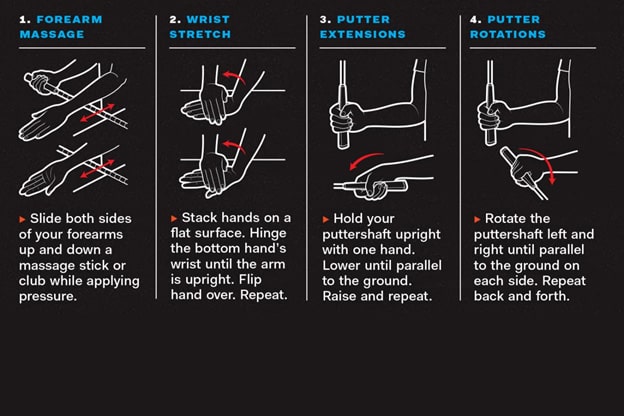
Specific exercises can help reduce inflammation and improve the mobility of the tendon. Hand stretches and strengthening routines are crucial.- More info: Trigger Finger Exercises – Healthline
- Corticosteroid Injections
A corticosteroid injection into the tendon sheath can reduce inflammation and allow smoother movement. Many people report significant relief after just one or two injections.- More info: WebMD on Corticosteroid Injections
- Surgery
If other treatments don’t work, a minor surgical procedure can release the tendon, allowing it to move freely. It’s generally quick, with a short recovery time.
Looking Forward
Despite this setback, my love for golf hasn’t waned. I’m determined to overcome this injury and get back on the course. If you’ve faced something similar, you know how frustrating it can be, but with the right treatment plan, I’m hopeful that I’ll be back to improving my swing soon. Until then, I’ll keep working on my mental game and visualizing my perfect shot.
Thanks for reading, and I hope to see you out on the greens soon!
Have you experienced trigger finger? How did you deal with it while playing sports? Let me know in the comments!
PS: Watch me hit a chip
 Aakar Kale
Leave a comment